Aditya Sengupta, an 18-year-old Bellevue High School student, won a $100,000 scholarship for building a system that helps predict invisible turbulence dangerous to airline passengers.
Sengupta was named the 2026 Davidson Fellow Laureate, the top honor in a national scholarship program that recognizes students 18 and under for significant work in STEM and the humanities. The Davidson Institute announced the award in September.
His project, called ForeCAT, is a machine-learning system that combines atmospheric physics with neural networks to forecast where clear-air turbulence is likely to form and how severe it could be.
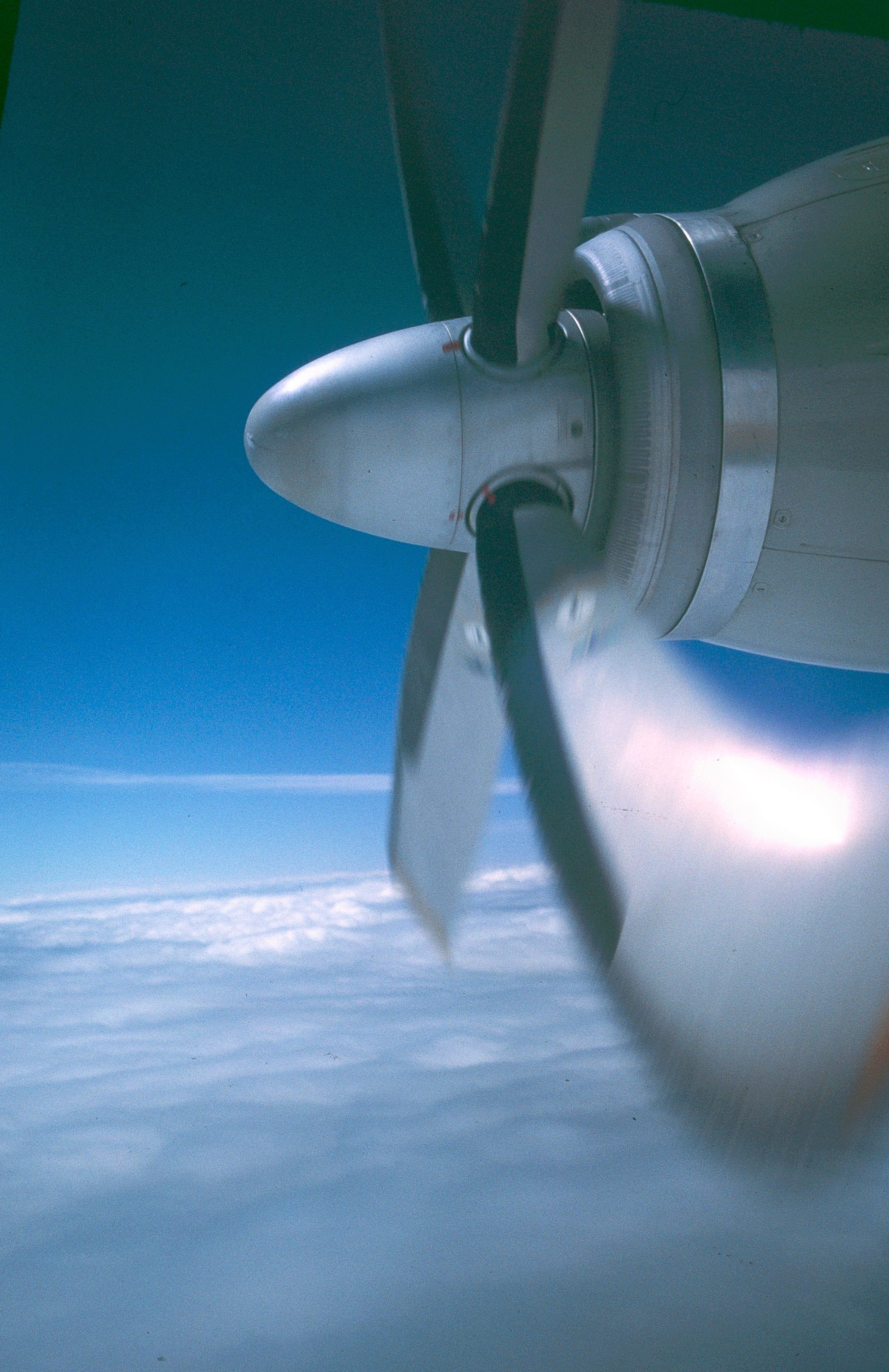
Clear-air turbulence strikes without visible clouds or storms. Pilots get almost no warning.
Sengupta said the idea came from personal experience. "I became interested in this problem after experiencing sudden and frightening turbulence myself on flights," he said in his Davidson Institute profile, published Sept. 15. "I started wondering why something that can be so dangerous is still so difficult to predict."
He built ForeCAT by embedding equations that describe fluid dynamics and atmospheric behavior directly into a neural network. The system processes weather data across time and space to estimate where dangerous air pockets will develop.
In testing, ForeCAT achieved 95% classification accuracy, outperforming the turbulence-prediction algorithm used in commercial aviation, the Times of India reported, citing project data presented at the Regeneron International Science and Engineering Fair (ISEF). The system also retro-predicted the severe turbulence on a Singapore Airlines flight in May 2024 with 87% confidence, according to the same report.
Clear-air turbulence costs the airline industry an estimated $500 million a year, according to findings Sengupta presented at the Regeneron ISEF.
Sengupta completed the project independently while in high school, teaching himself atmospheric science and advanced computing alongside his regular coursework. His VEX Robotics team placed first nationally and second at the World Championship, The American Bazaar reported.
He has also earned recognition at the Regeneron ISEF and the National Junior Science and Humanities Symposium and was named a Regeneron Science Talent Search Scholar.
He plans to study science and computing in college. Sengupta designed ForeCAT so it could eventually plug into existing air traffic control systems and flight-planning software.