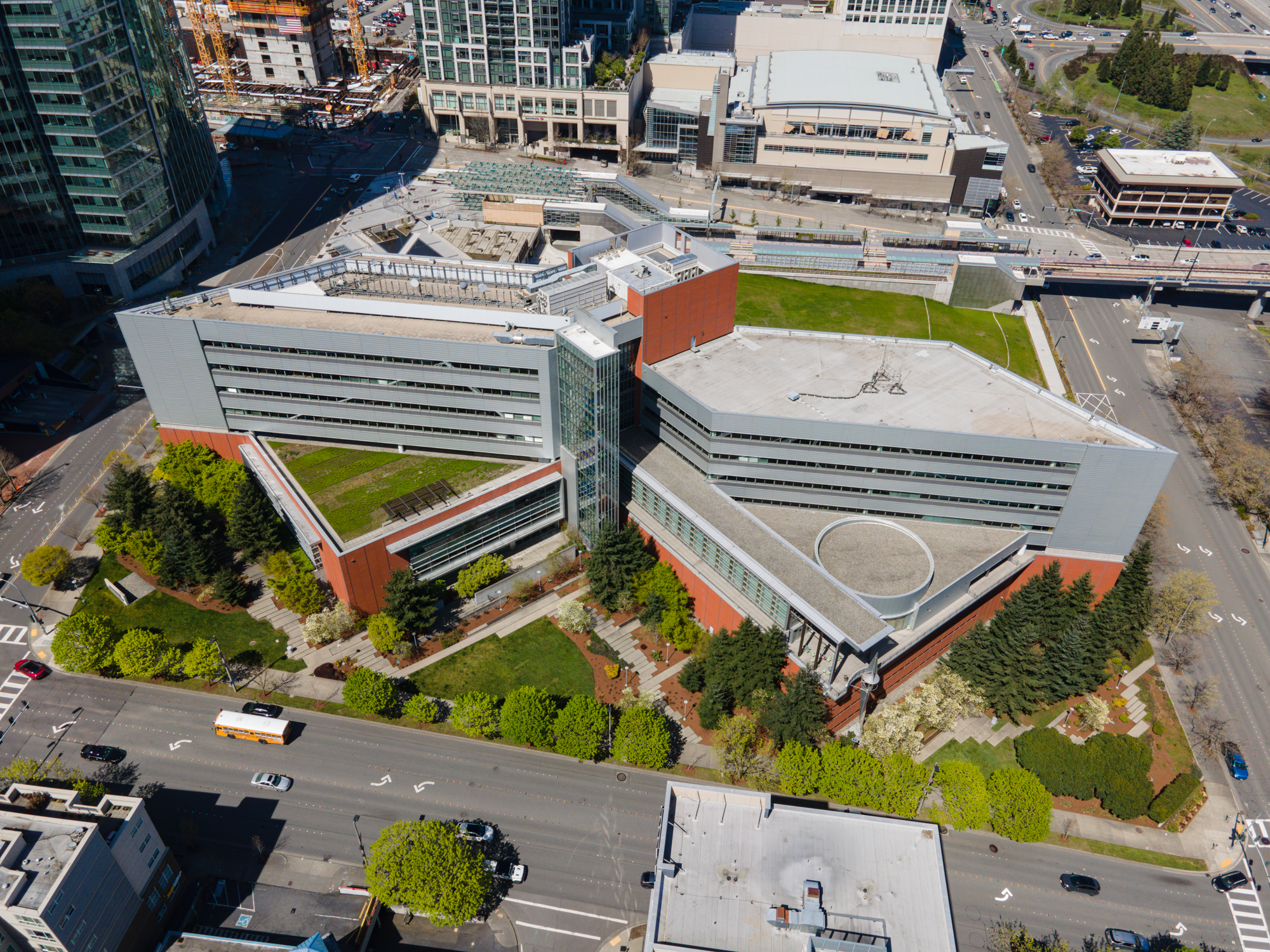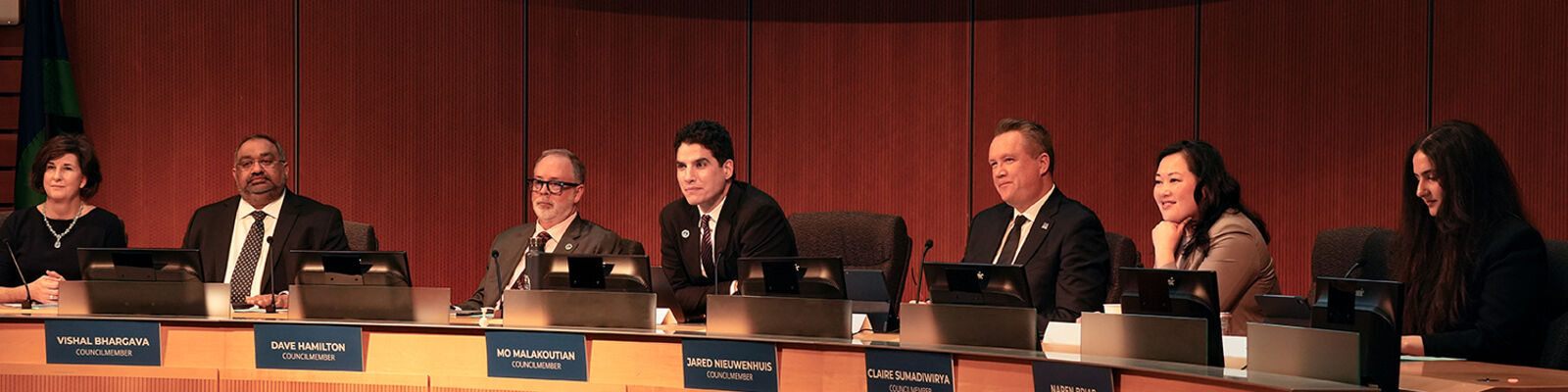
A 2-acre green space next to the East Main light rail station now has a name: Isan Park, chosen by the Bellevue City Council to honor the city's Japanese American community.
The council gave preliminary approval to the name at its July 22 meeting, voting unanimously after reviewing 258 suggestions submitted by community members in a spring 2026 survey. "Isan" means "heritage" or "legacy" in Japanese.
The naming carries personal weight for Doug Ito, president of the nonprofit ISAN Bellevue. His father and grandfather farmed in Bellevue before World War II, then were incarcerated at the Tule Lake camp in California. Ito, a local architect who grew up in Seattle on memories of his family's Bellevue roots, helped form ISAN Bellevue before the pandemic to push for a Japanese American legacy project in the city.
The park sits at Main Street and 112th Avenue Southeast, on a hillside with walking paths, grass lawns and plant beds. Sound Transit built it as mitigation for park impacts during construction of the 2 Line light rail extension, then transferred the property to the city in September 2024. It sat unnamed for nearly two years.
Now ISAN Bellevue plans to transform it into something more. The nonprofit's concept design, finalized with city staff in December 2025, envisions a plaza with a large-scale map of Bellevue's historic Japanese American farms engraved in the ground, storytelling pillars or panels, and a shaded gathering space.
The city allocated $250,000 in 2023 for planning and design work, according to a May 2026 council update. ISAN Bellevue plans to fundraise for construction costs.
The history the project aims to preserve runs deep. Japanese immigrants arrived on the Eastside in the late 1800s and early 1900s, many of them former railroad or logging workers. Barred from buying property, they leased land from white owners, cleared tree stumps left by sawmills and built farms growing strawberries, lettuce and other produce.
The Ito family used salmon from local streams as fertilizer. In the 1920s and 1930s, thousands attended Bellevue's annual Strawberry Festival, and Japanese farmers sold produce at Pike Place Market after hauling it across Lake Washington on "mosquito fleet" ferries.
That era ended abruptly in 1942. A presidential order led to the incarceration of 120,000 people of Japanese descent nationwide. About 60 families from Bellevue were among those forced from their homes, according to journalist David Neiwert's 2005 book "Strawberry Days."
The Ito family held onto their property, but many others lost their farms permanently.
Betsy Anderson, senior planner for Bellevue's parks department, told The Seattle Times the park represents an opportunity to surface history that isn't always visible in a city now known for high-rises and tech campuses. The Parks & Community Services Board recommended "Isan" over alternatives referencing the park's Main Street location or its view of Mount Rainier, citing its uniqueness and cultural connection.